Find a meeting

 Helpline
Fred's story
Read Fred’s story below or listen to his podcast.
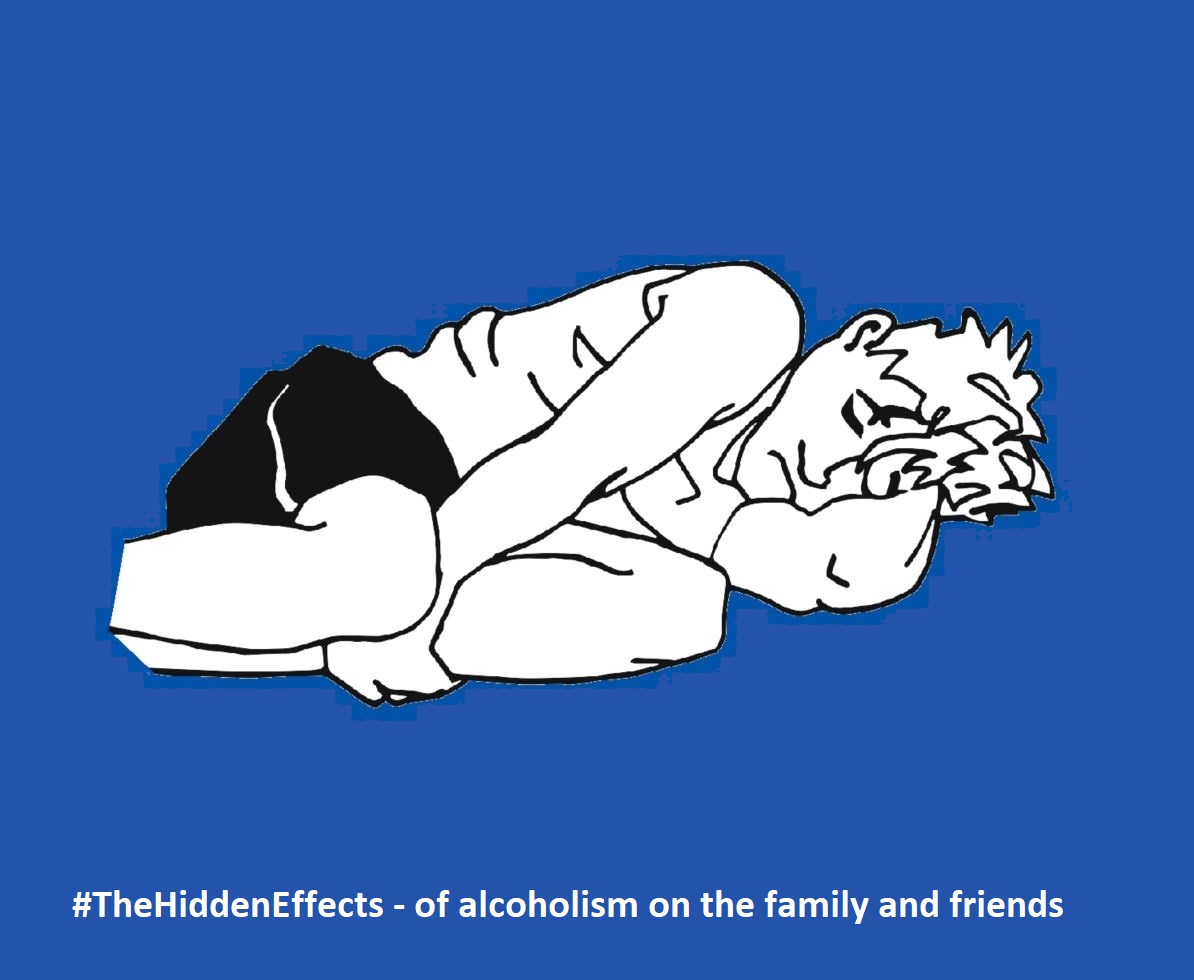
My dad was an army officer, but when he was home, he was caring, loving and sensitive. Growing up, I admired him, until I realised he was an alcoholic.
I was close to my dad and always looked up to him, therefore his approval meant everything to me. He suggested that I join the army. At the time I just wanted to please him so I thought it was a brilliant idea. In the early stages of joining the army, I remember standing there realising that I was in the wrong place. Although he wasn’t upset, I knew that he was disappointed. Nonetheless, he always supported me and was proud when I had decided to go to university.
I was 18 years old when I realised that dad may have an alcohol problem. The idea of this perfect father figure who was in control of everything suddenly shattered for me. As he drunkenly reversed the car into a lamp post, I realised that he wasn’t in control. In fact, he seemed vulnerable.
Prior to the incident, I never thought that dad had a problem because everyone drank at lunch and in the evenings. This was how the army families socialised, including the wives and the older children.
Being the officer in charge of the army’s bomb disposal team in Northern Ireland, I later understood this had an impact on his emotional and mental health. At the time nobody in the army talked about PTSD, nobody got counselling or talked about their struggles, instead everyone drank. That was the army culture and probably still is.
After his second and third tours, the drinking became more excessive. I noticed that my dad was an exuberant lively character with a drink and a silent and withdrawn type without it. He would go out drinking with his army friends, come home late and miss dinner. He had a bad temper if me and my brothers didn’t behave. Eventually we grew distant as he wasn’t around much.
I tried to get close to my dad again, I even tried to drink with him, but it wasn’t easy and that saddened me. I missed the relationship we once had.
Mum was a loving but distant figure when dad was alive. She never reacted to his drinking and bottled her feelings. Towards the end of their marriage she did what many would do; she poured alcohol down the sink or marked the bottles to know how much he had drunk, but nothing stopped him from drinking.
I found out that whilst in the army he had been unfaithful to mum which shocked me, but it also brought me closer to mum. A few years later, I found out from my brother that mum had also been unfaithful to dad, with one of his friends. They eventually separated although dad did try to get her back, he never stopped speaking highly of her.
Through the midst of all the drama, I decided to train to become an actor. It was also a way for me to escape from reality. I found out about Al-Anon when I was in my 30’s, through an actor friend who was in Alcoholics Anonymous (AA). He knew about my dad and suggested that I try Al-Anon for support. He spoke of how much AA and the Twelve Steps had helped him, so I knew what to expect. I attended my first meeting with a friend, and I remember feeling emotional that I could relate to all the stories, although most of the people were still living with the alcoholic which surprised me.
Although I never talked about it I knew that my dad’s drinking had affected me. I was attracted to alcoholics, even though at the time I hadn’t realised. In a way I liked the intoxicating effect of the drama because it’s what I knew. Eventually I couldn’t handle it mentally, and it made me depressed and sad.
I learnt in Al-Anon to change those patterns, and I work very hard to make sure that I don’t get back to that vicious cycle. I didn’t want to be around active alcoholism anymore, I even had to distance myself from a close family member. We grew up together, but I couldn’t continue to watch alcoholism destroy him and our relationship. Al-Anon helped me look after my own emotional and mental health. I learned to put boundaries in place and focus on myself when necessary.
I continued to encourage dad to get support from AA, but he felt that he was in control. Sadly, he died of a heart attacked at the age of 66. I believe that if it wasn’t for the alcoholism and the pressure of being in the army with no support, dad would still be alive.
I realised I didn’t really know my mum until dad died. Throughout his drinking she had shut off all her emotions. He had a big personality and others tended to retreat around him. The social side of the army always made her nervous and fearful. After he died, I visited mum frequently and that’s when I really got to know her. She was no longer overwhelmed and living in dad’s shadow. She became her own person and learnt to speak up if she wasn’t happy. She then met her current partner.
Like my parents I also kept my feelings bottled up if I was unhappy; Al-Anon helped me find my voice.
If you’re affected by someone’s drinking and would like support, email helpline@al-anonuk.org.uk or call our free and confidential helpline on 0800 0086 811.